
Sky burial is a traditional Tibetan funeral practice where the deceased's body is ritually dismembered and left on a mountaintop. It is an act of compassion, offering the body to vultures as a final act of generosity and representing the Buddhist belief in impermanence and the cycle of life.
However long before Sky burial rituals, Tibetans followed earth burial traditions during the time of the ancient Bon religion, before Buddhism arrived. These burials were typically reserved for nobility, and you can still visit the tombs today in Tsedang's Chongye County, an area known as the Valley of Kings. The valley is most famous for housing the tomb of King Songtsen Gampo, who unified Tibet in the 7th century and brought Buddhism to Tibet.

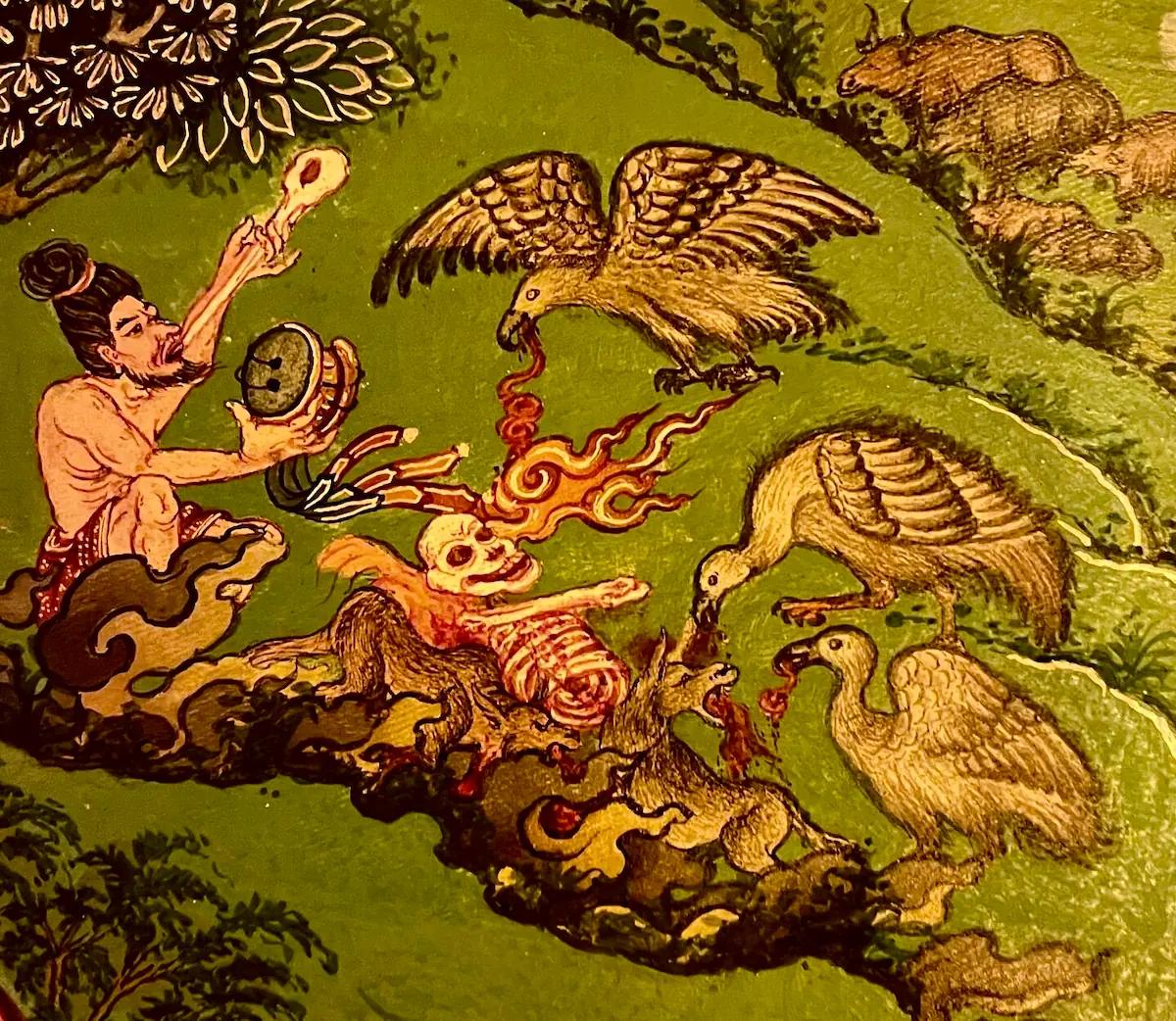
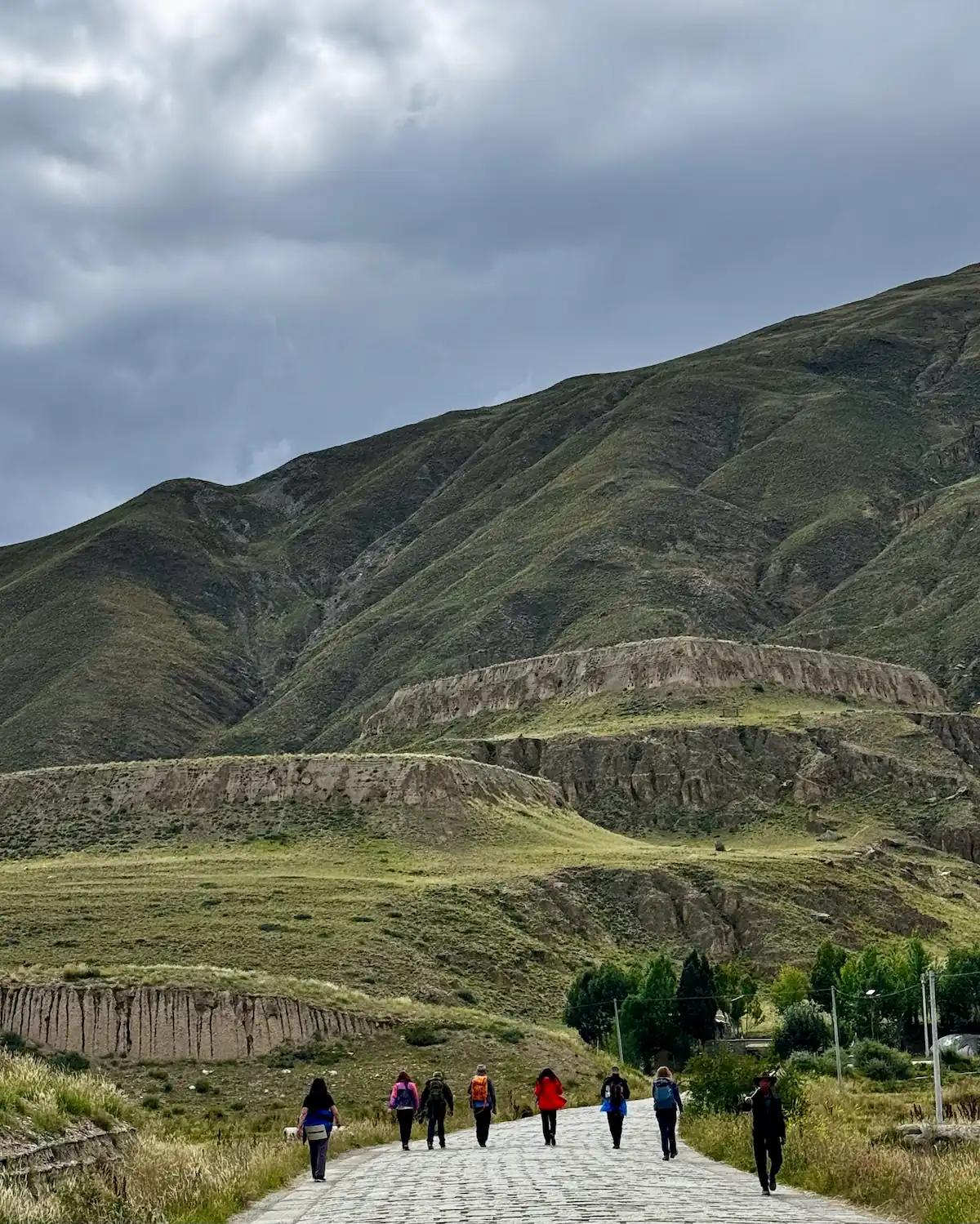
High on the plateaus of Tibet, where the earth is often too hard and the air too thin for conventional burial or cremation, an ancient and profound funeral rite offers a final act of supreme generosity. Known as Jhator in Tibetan, meaning "giving alms to the birds," the sky burial is one of the world's most distinctive and spiritually resonant mortuary practices. To the outside observer, it may appear uncomfortable or even shocking, but within the framework of Tibetan Buddhism and the practical realities of the Himalayan landscape, it is a dignified, compassionate, and deeply logical farewell.
At its core, a sky burial is a funerary practice in which the human corpse is dismembered and placed on a mountaintop, exposed to the elements and specifically to scavenging birds, primarily vultures and occasionally crows or hawks. It is a form of excarnation the removal of flesh from the bones.
However, to define it merely by its physical actions is to miss its essence entirely. Sky burial is not a primitive custom, but a sophisticated religious ceremony deeply embedded in Vajrayana Buddhism. It is a direct, visceral expression of key Buddhist tenets. The body, after death, is considered an empty shell, a temporary vessel for the consciousness that has now departed. Clinging to it is seen as an obstacle to the soul's progression. Therefore, the offering of this shell becomes the ultimate act of charity (dāna), a final opportunity for the deceased to accumulate positive merit by providing sustenance to other living beings. The practice also serves a profound pedagogical function for the living, providing a stark, undeniable lesson in impermanence (anicca), a central pillar of Buddhist thought. By witnessing or contemplating the swift dissolution of the physical form, one understands the transient nature of all existence and loosens attachment to the material self.
Practically, sky burial is an elegant ecological adaptation. In much of Tibet, the rocky, frozen ground makes earth burial exceedingly difficult. Timber for cremation has historically been scarce and precious, reserved for high lamas. Sky burial efficiently returns the body to the cycle of nature, leaving no trace and desecrating no land. It is a practice born from a seamless integration of philosophy and environmental necessity.
The sky burial is a meticulous ritual, governed by tradition and conducted withsolemn reverence. It is not a haphazard event but a guided journey for the deceased.
1. Preparation:
Upon death, the body is not embalmed but is washed and tied into a fetal position, symbolizing the readiness for rebirth. Lamas are summoned to perform rites by the body, chanting from the Bardo Thödol (The Tibetan Book of the Dead) to guide the consciousness through the intermediate state between death and rebirth. This guidance period typically lasts for three to five days.
2. Journey to the Durtro:
Before dawn on the appointed day, the body is wrapped in white cloth. In a procession that is quiet and respectful rather than mournful, it is carried by family members or rogyapas to the durtro—the charnel ground. These sites are always located in remote, elevated areas, often requiring a significant hike. The isolation ensures privacy and sanctity.
3. The Role of the Rogyapa:
The central ritual specialist is the rogyapa (literally "body breaker"). This is not a role for monks but for a specific caste of lay practitioners, often passed down through families. The rogyapa is not an executioner but a compassionate guide, performing a necessary and meritorious service. His work is considered an act of great courage and compassion, as he handles the physical remains to facilitate the spiritual process.
4. The Ceremony at the Stone:
At the durtro, the body is placed on a large, flat stone slab, often stained from centuries of use. The rogyapa unwraps the body and, using a large, ceremonial knife, begins the ritual dismemberment in a precise, methodical manner. Juniper or cypress incense is burned in large quantities. The smoke serves a dual purpose: it purifies the air and, more importantly, acts as a signal, summoning the vultures from their perches in the surrounding cliffs.
5. The Offering:
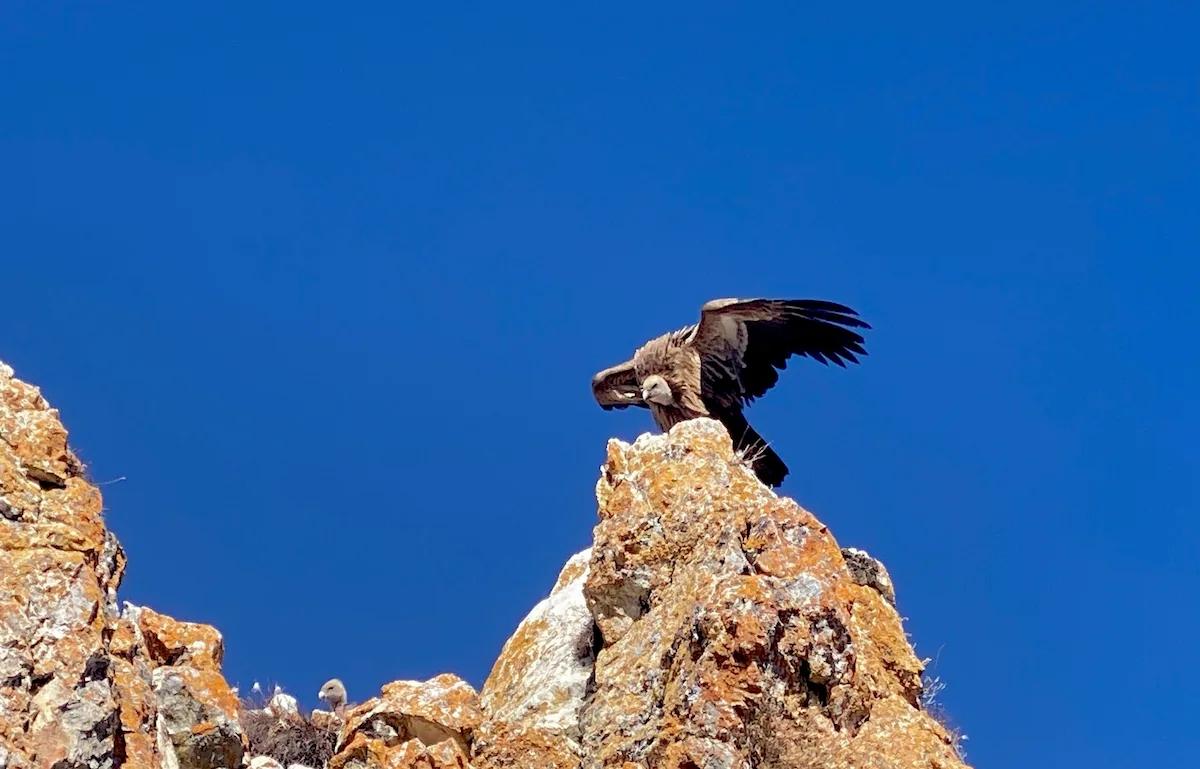
The vultures, which may have been waiting patiently nearby, are viewed not as mere scavengers but as dakinis—celestial beings, "sky dancers" who carry the soul upward toward the heavens. The rogyapa first offers the flesh, then crushes the bones with a mallet, mixing them with tsampa (roasted barley flour) to make them palatable for the birds. Every part of the body is offered. The family often watches from a distance, finding solace in the completeness of the consumption, which is interpreted as a sign that the deceased had a good, uncontaminated life and that the soul has been fully accepted and carried away.
6. Completion:
If any fragments remain, they are burned in the juniper smoke. The rogyapa cleans the stone with water. No physical trace of the person remains at the site, symbolizing the total release of the spirit from its earthly bonds.
The importance of sky burial extends far beyond its practical utility. It is a
cornerstone of traditional Tibetan culture and spirituality.
In Buddhism, the virtue of giving without expectation is paramount. By offering one's own body to feed hungry creatures and prevent them from harming other life, the deceased performs the highest possible act of dāna. This final generosity is believed to generate immense positive karma, aiding the soul's journey.
The ritual provides an uncompromising meditation on decay and non-attachment. It directly challenges the ego's identification with the physical form, teaching that the body is merely a temporary aggregate of elements that must return to the earth and air.
Sky burial represents a perfect, zero-waste return to the ecosystem. It uses no land, burns no fuel, and leaves no pollutants. It is a sustainable practice that has existed for centuries, embodying a deep, pre-modern understanding of humanity's place within the natural order.
The ritual involves the entire community : the family, the lamas, the rogyapa, and even the vultures. It reinforces social bonds and cultural continuity, providing a shared, meaningful framework for confronting mortality.
Sky burial sites are scattered across the Tibetan Plateau and in Tibetancommunities in surrounding regions like Qinghai, Sichuan, and parts of Nepal and India. They are always treated with the utmost reverence and are strictly off-limits to tourists. Photography or intrusion is considered a profound desecration.
Some of the most significant and renowned durtro include:
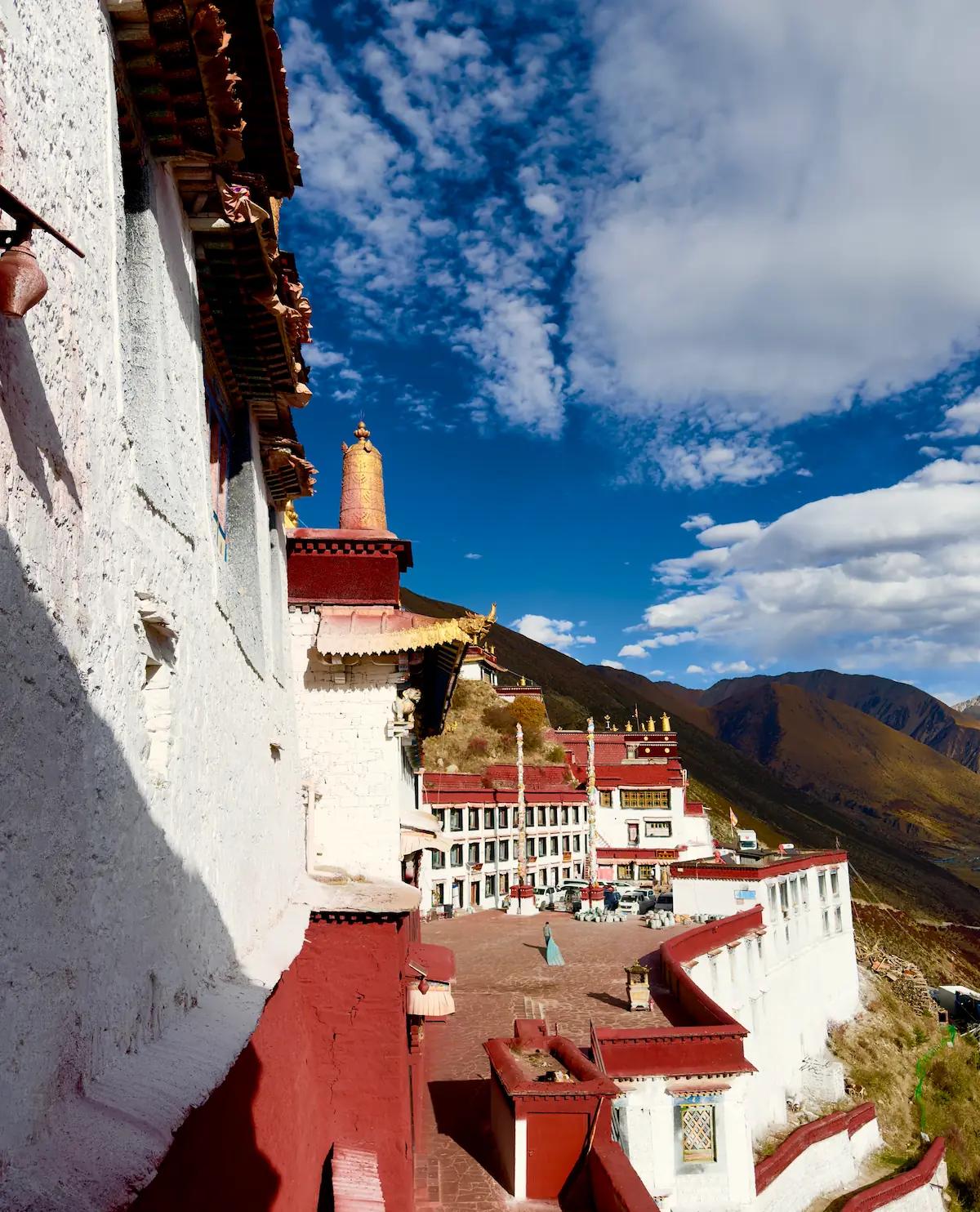
Located about 150 km east of Lhasa, Drigung Til is home to one of the most famous and active sky burial sites.
The monastery of the Drigung Kagyu school is particularly associated with the practice, and its site is said to be blessed so that simply being taken there ensures a favorable rebirth.
Near the massive Buddhist academy of Larung Gar in Sertar County, a sky burial site serves the large spiritual community there. It is a powerful place where the theoretical teachings on impermanence taught in the classrooms meet their ultimate, practical expression.
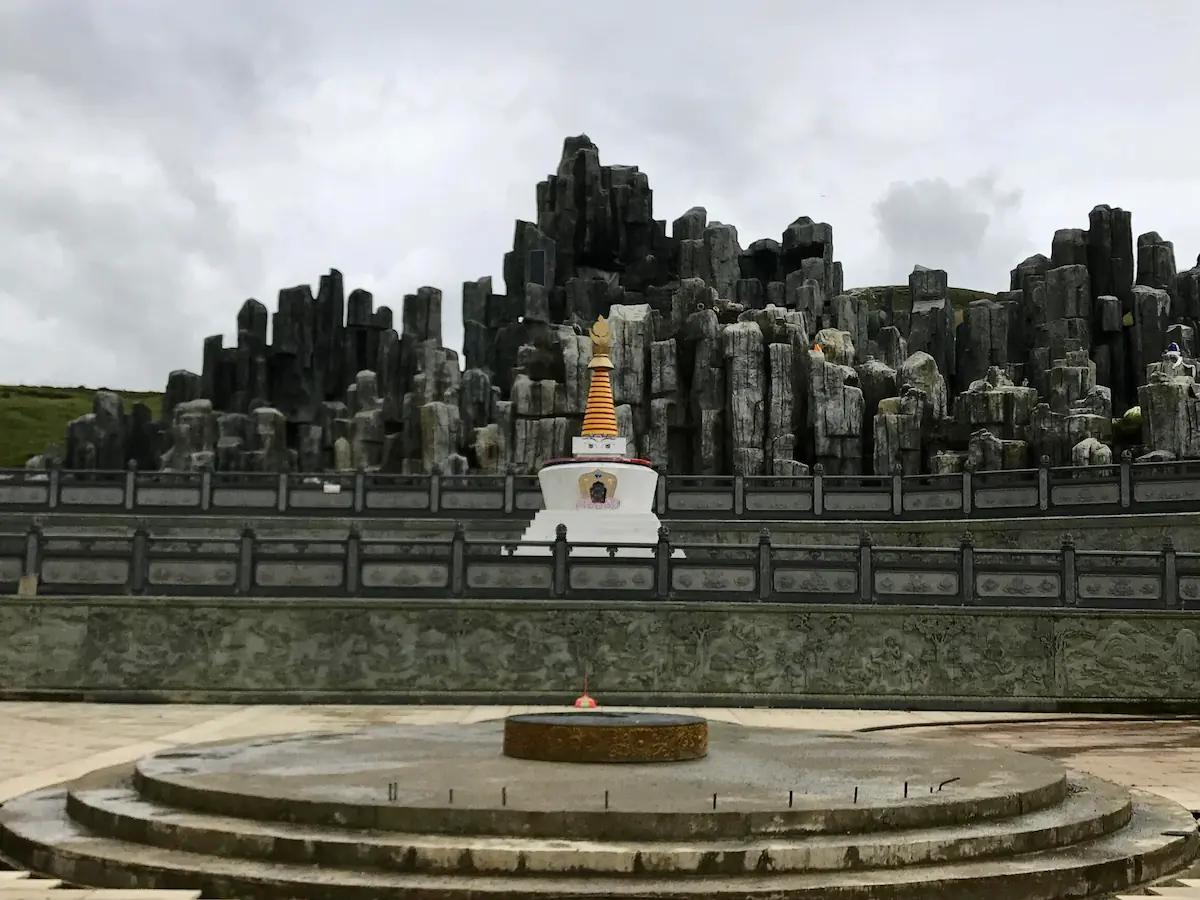
The entire region surrounding this most sacred of mountains is considered a cosmic durtro. To have a sky burial performed here, near the axis of the universe in Tibetan cosmology, is considered exceptionally auspicious.
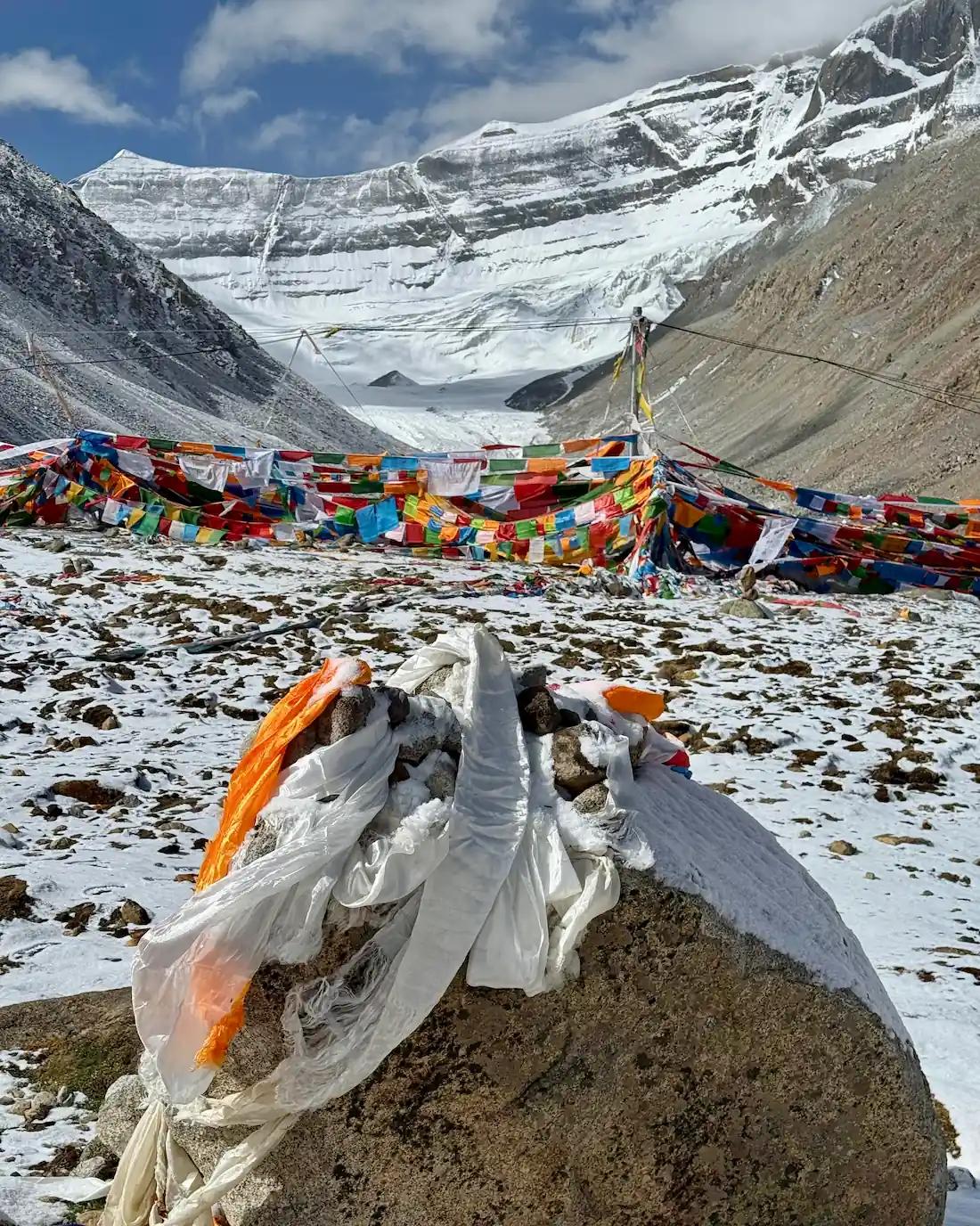
The Tibetan sky burial stands as a profound and elegant synthesis of philosophy, ecology, and ritual. It transforms the moment of death from an occasion of fear and loss into one of compassionate offering and spiritual instruction. By willingly relinquishing the physical form to the birds and the wind, the practice completes a cycle, echoing the Buddhist belief that all phenomena are interconnected and in constant flux. It is a final, silent teaching whispered on the high mountain winds: that in letting go of the self, one ultimately achieves the greatest freedom.
To understand the sky burial is to understand a fundamental aspect of the Tibetan approach to life, death, and the impermanent nature of all things.
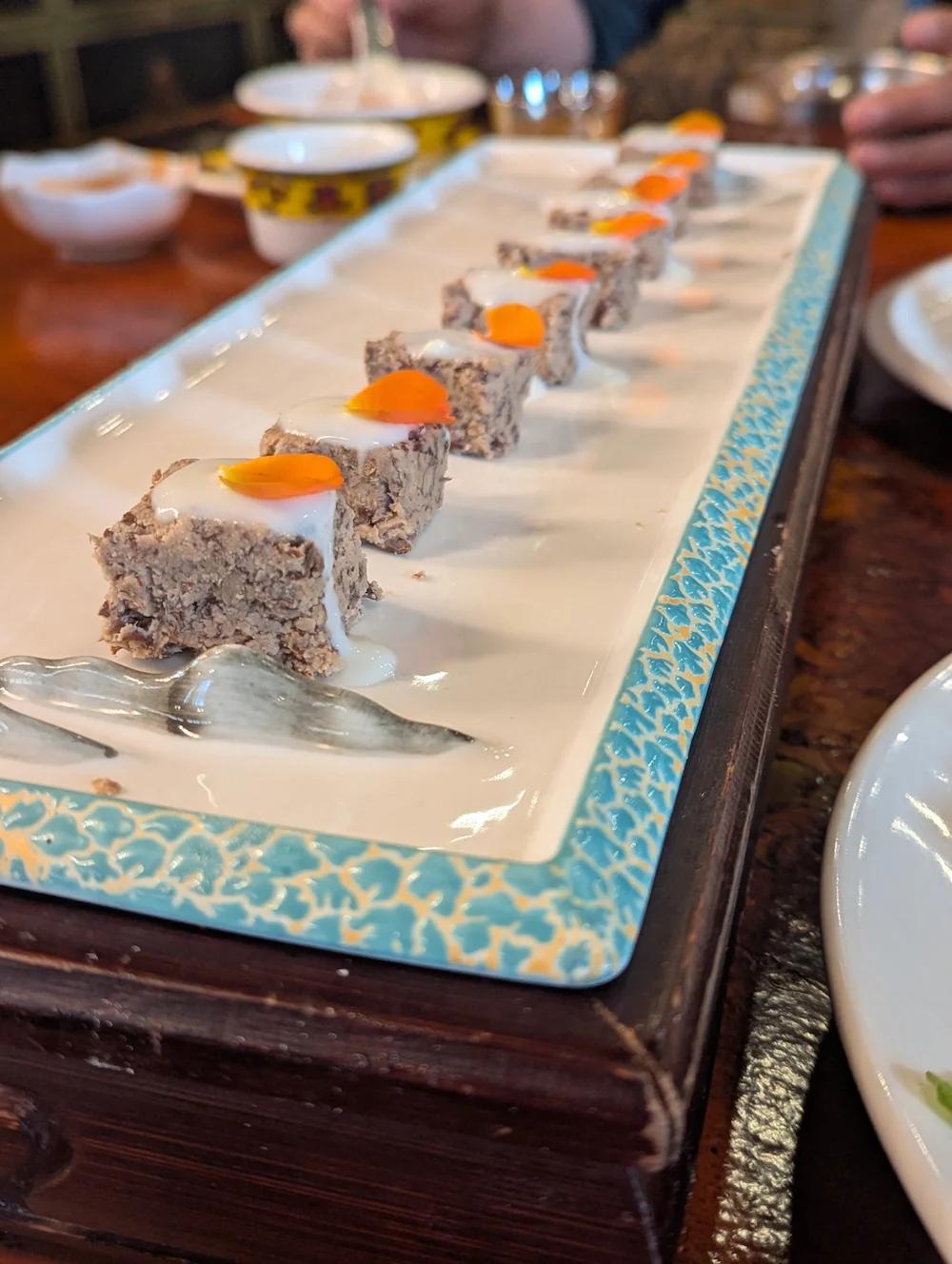
From tsampa to momos, Tibetan cuisine offers travelers a delicious window into a fascinating culture.
Read more
From permits to packing, altitude advice, and etiquette, tips for a smooth, respectful journey.
Read more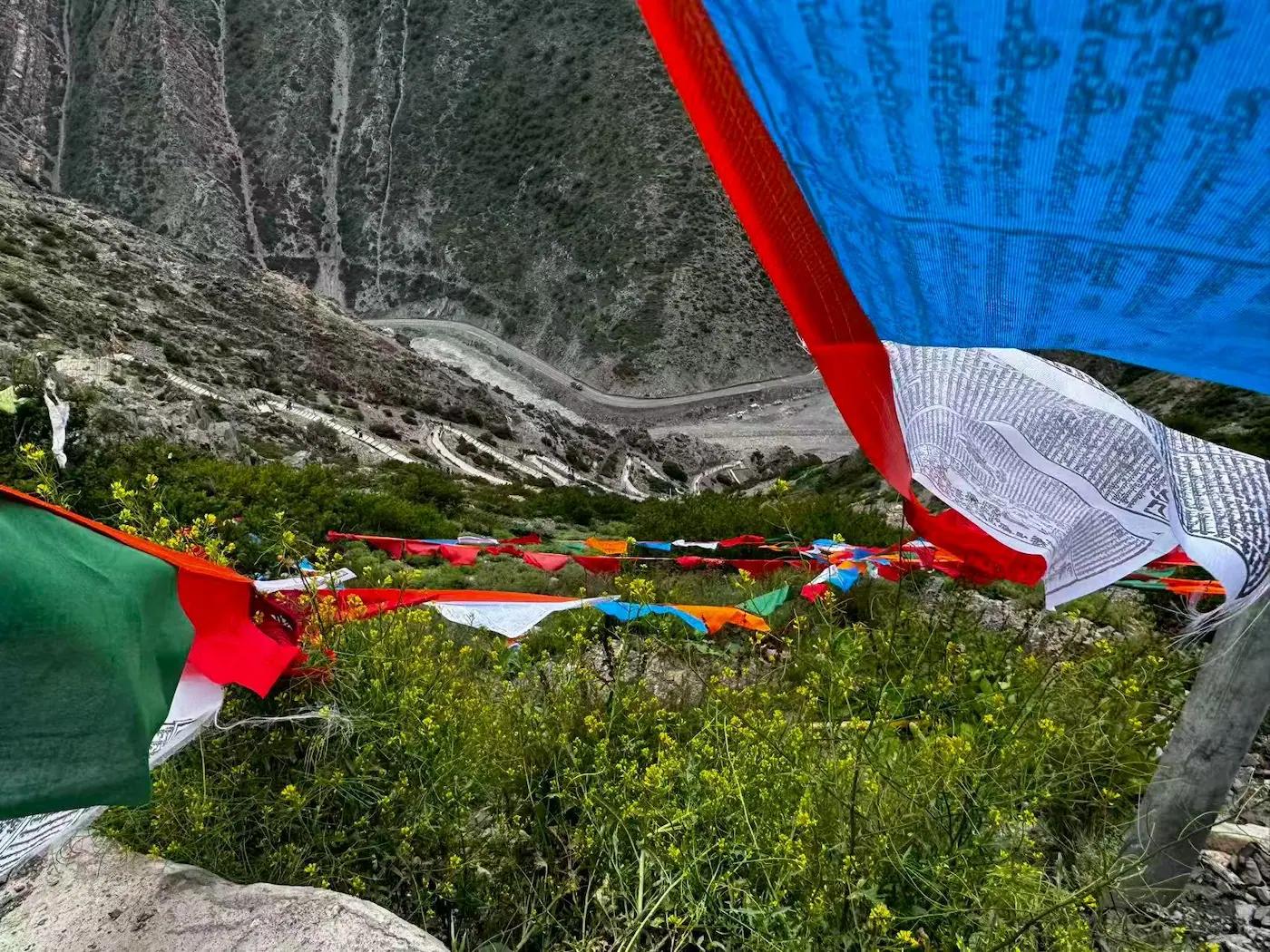
Welcome to one of Tibet's most enchanting traditions: the prayer flag. For Tibetans, they're like living prayers, guardians, and symbols of seeing the divine in every gust of wind.
Read more