
As the tenth month of the Tibetan lunar calendar draws to a close, the high-altitude plateaus of Tibet and Himalayan regions across the globe undergo a luminous transformation.
Known as Ganden Ngamchoe (or Ganden Nyamchoe),the "Festival of Light; is one of the most visually stunning and spiritually
significant dates in the Buddhist world. It commemorates the Parinirvana : the passing and final enlightenment of Lama Je Tsongkhapa (1357–1419), the peerless scholar-saint who founded the Gelug school of Tibetan Buddhism. For Tibetans, this is a profound celebration of wisdom, ethics, and of the Second Buddha, who has revitalized the Dharma.

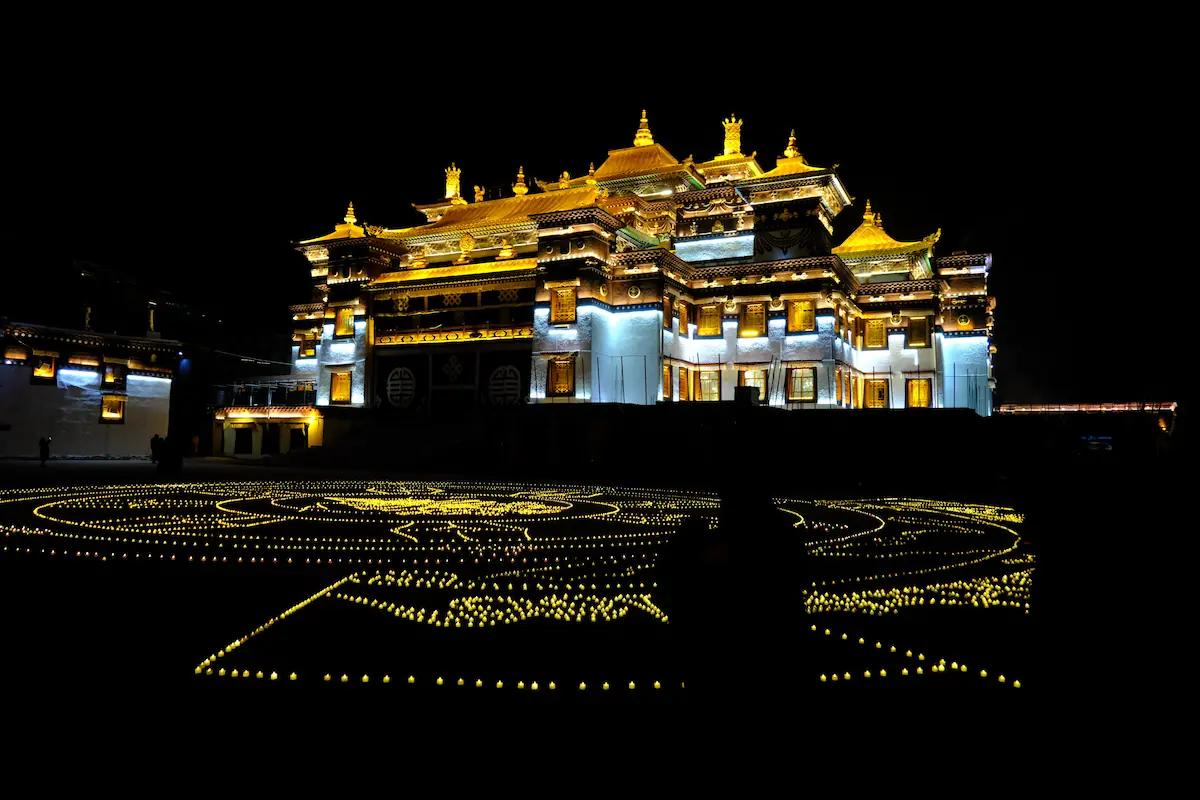
Lama Tsongkhapa was born in 1357 in the Tsongkha valley of Amdo province in northeast Tibet, the fourth of six sons. His birthplace is marked to this day by the presence of the Kumbum monastery.
Lobsang Drakpa (his ordained name) was recognized as an extraordinary being from childhood. Prophecies from Shakyamuni Buddha himself foretold that a young boy who offered a crystal rosary to the Buddha in a previous life would be reborn in Tibet to establish a great monastery and restore the purity of the teachings.
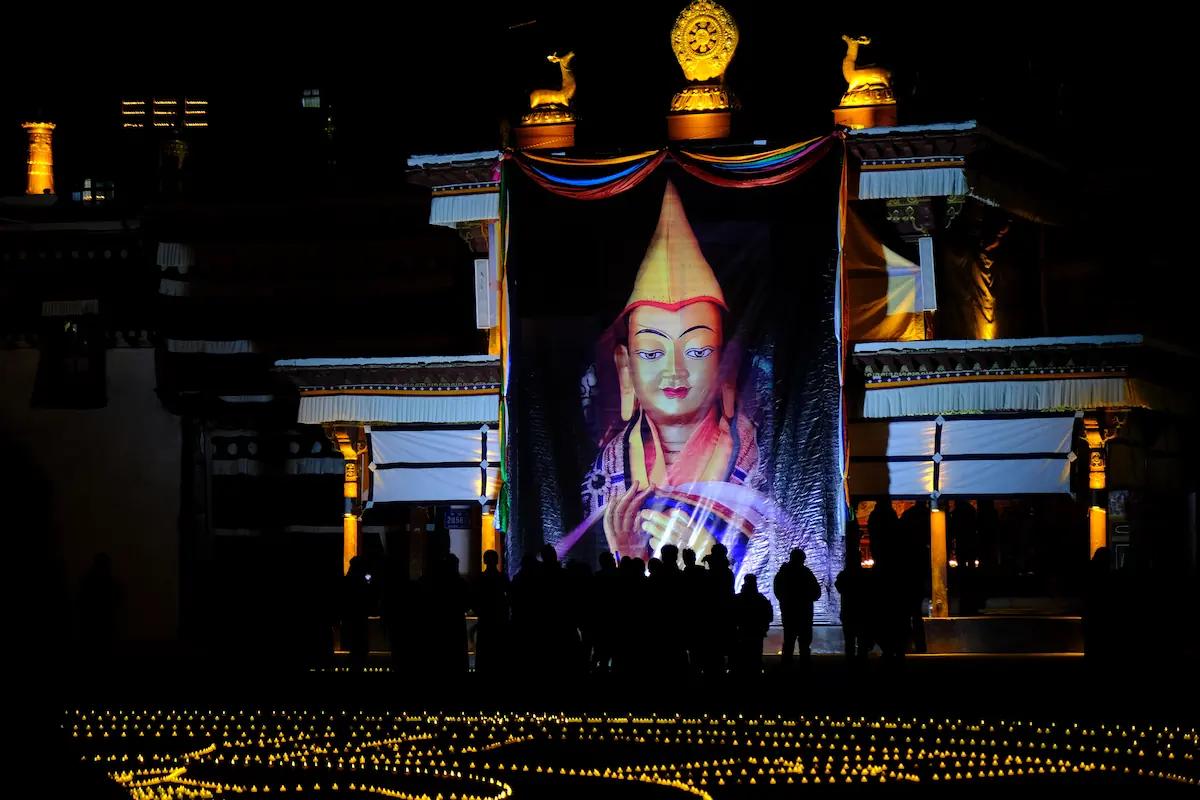
Tsongkhapa was a polymath. He traveled extensively across Central Tibet, studying under more than fifty masters from all major traditions: Sakya, Kagyu, and Nyingma.
He was unsatisfied with mere intellectual understanding; he sought the integration of Sutra (philosophical study) and Tantra (meditative practice).
He performed millions of prostrations and mandala offerings at Choelong Chusang monastery in Tsedang, wearing the skin off his forearms, to purify his mind. His dedication culminated in a direct vision of Manjushri, the Bodhisattva of Wisdom, who became his personal teacher.
Tsongkhapa’s primary contribution was the founding of the Gelugpa tradition.
Some of his major reforms are
-Monastic Discipline: Restoring the importance of the Vinaya (monastic vows).
-The Lamrim: Authoring the Lamrim Chenmo (The Great Treatise on the Stages of the Path), a manual that systematically guides a practitioner from the very beginning of the spiritual path to full enlightenment.
-The Three Pillars: He founded Ganden Monastery in 1409. His disciples later founded Drepung and Sera, which together became the "Three Great Seats” of learning in Tibet.
In 1419, at the age of 63, Je Tsongkhapa entered into deep meditation at Ganden Monastery. It is said that as he passed into Parinirvana, his body transformed into that of a sixteen-year-old youth, emitting rainbow lights: a sign of his complete enlightenment.
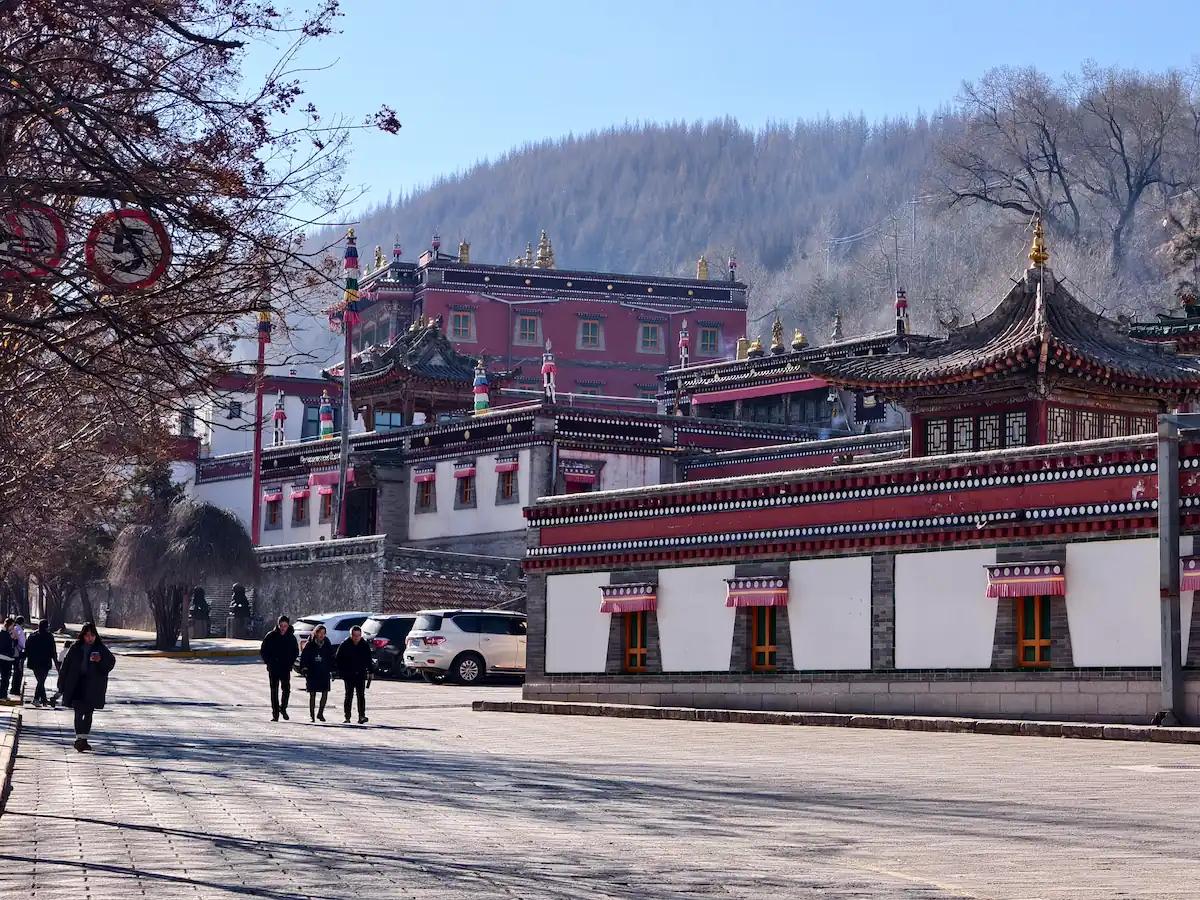
Kumbum Monastery
As dusk falls, every monastery, temple, and private home is outlined in fire.
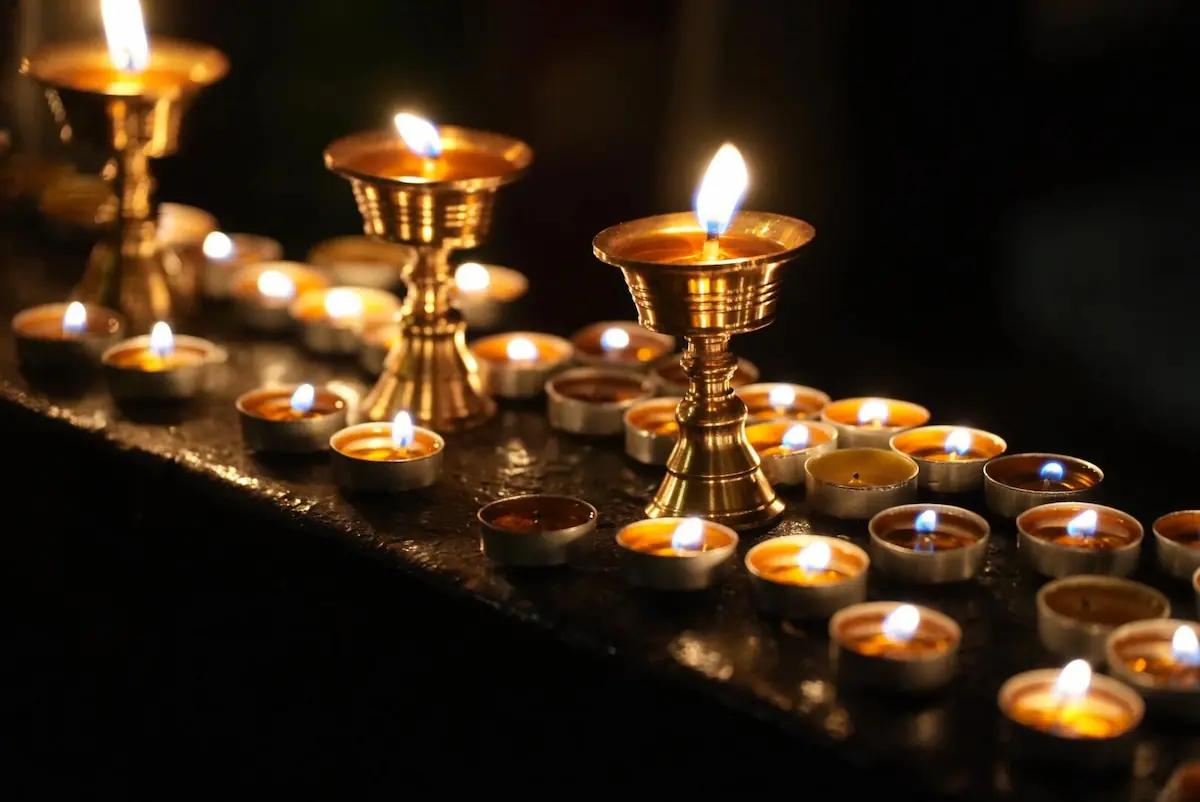
Thousands of traditional butter lamps (made from yak butter) or candles are placed on rooftops, windowsills, and altars. In Lhasa, the Jokhang Temple and the Barkhor circuit become a shimmering sea of gold.
This act symbolizes the dispelling of the darkness of ignorance by the light of Tsongkhapa’s wisdom.
Buddhists believe that the (positive energy) created through
spiritual practice is multiplied 100,000 times on this day. Consequently, the day is filled with:
Kora (Circumambulation): Pilgrims walk clockwise around sacred sites, often performing prostrations.
Chanting the Migtsema: The most common practice is the recitation of the Migtsema, a five-line prayer composed for Tsongkhapa that invokes compassion, wisdom, and spiritual power.
Lama Chopa (Guru Puja): Monks and laypeople gather for elaborate ritual feasts (Tsog) to honor the lineage of teachers.
No Tibetan festival is complete without food. On this night, it is traditional to eat a specific type of Tsampa porridge known as Ganden Thupka or Ganden Ngamchoe Thupka. Unlike the usual savory noodle soups, this is often a hearty, warming dish made with barley flour, often shared in large communal gatherings to signify the unity of the “Yellow Hat” community.
| Year | Gregorian date |
|---|---|
| 2024 | December 25 |
| 2025 | December 14 |
| 2026 | December 3 |
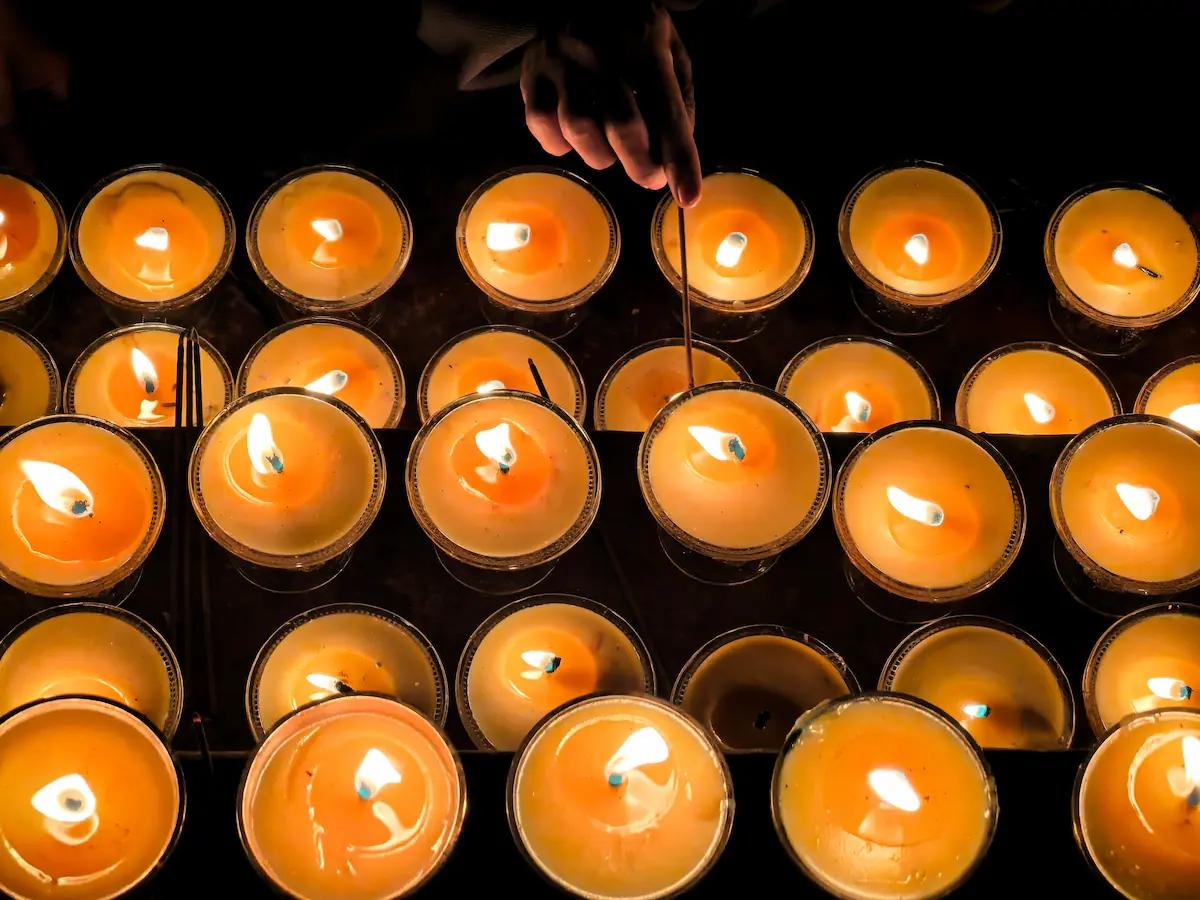
Ganden Ngamchoe is more than just a historical commemoration; it is a living tradition of gratitude. For the Tibetan people, lighting a lamp is a vow to keep the flame of ethics and wisdom alive in their own hearts, just as Je Tsongkhapa did six centuries ago. Whether in the high Himalayas or a small apartment in a modern city, the flickering flame of the butter lamp serves as a reminder that even in the darkest times, the light of the mind can never truly be extinguished.
In Tibetan Tradition, One’s legacy is not marked by his birth, but by how he has died.
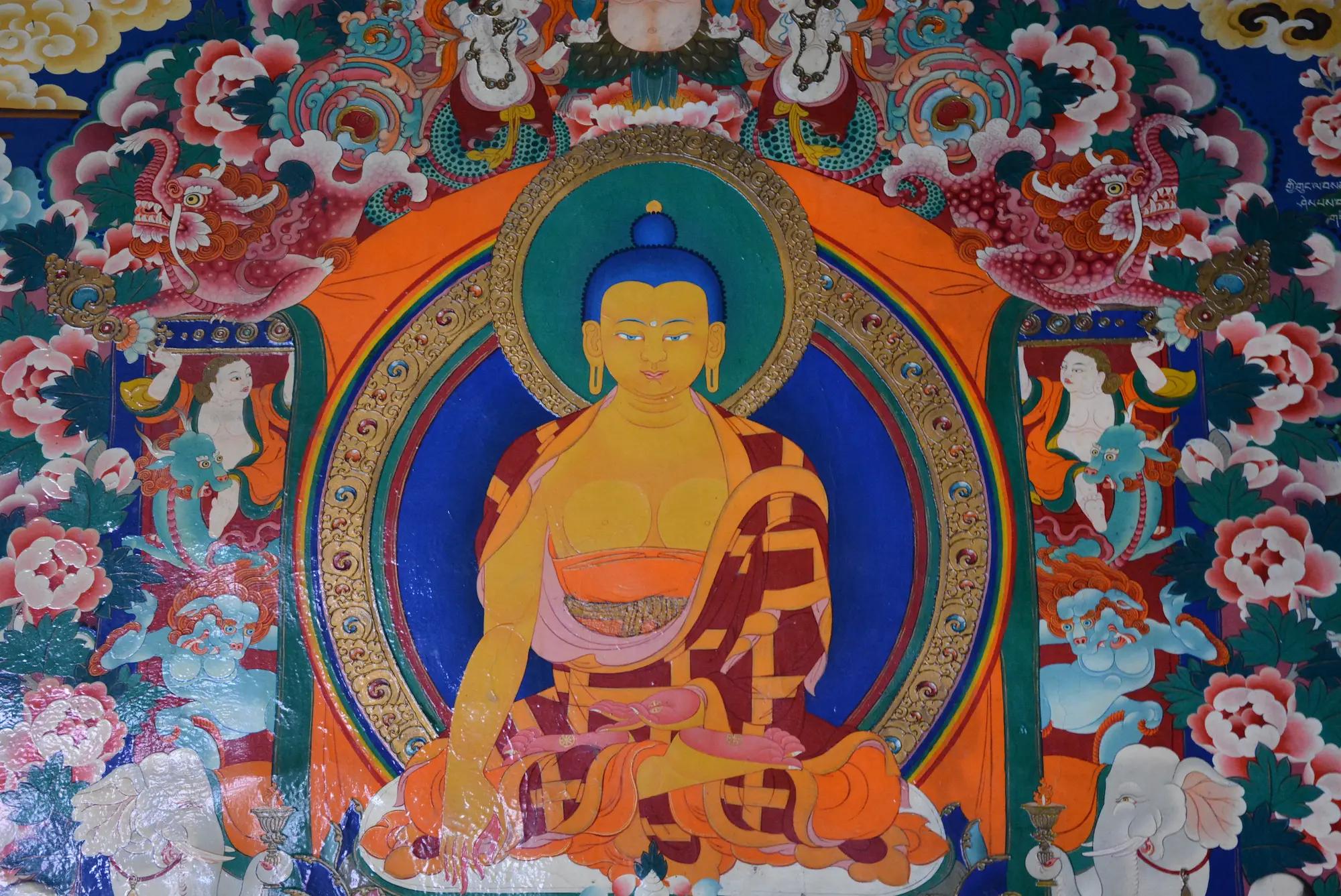
Learn about tibetan Buddhism’s rich history and transformative practices. From tantric wisdom to the unique monk's debates...
Read more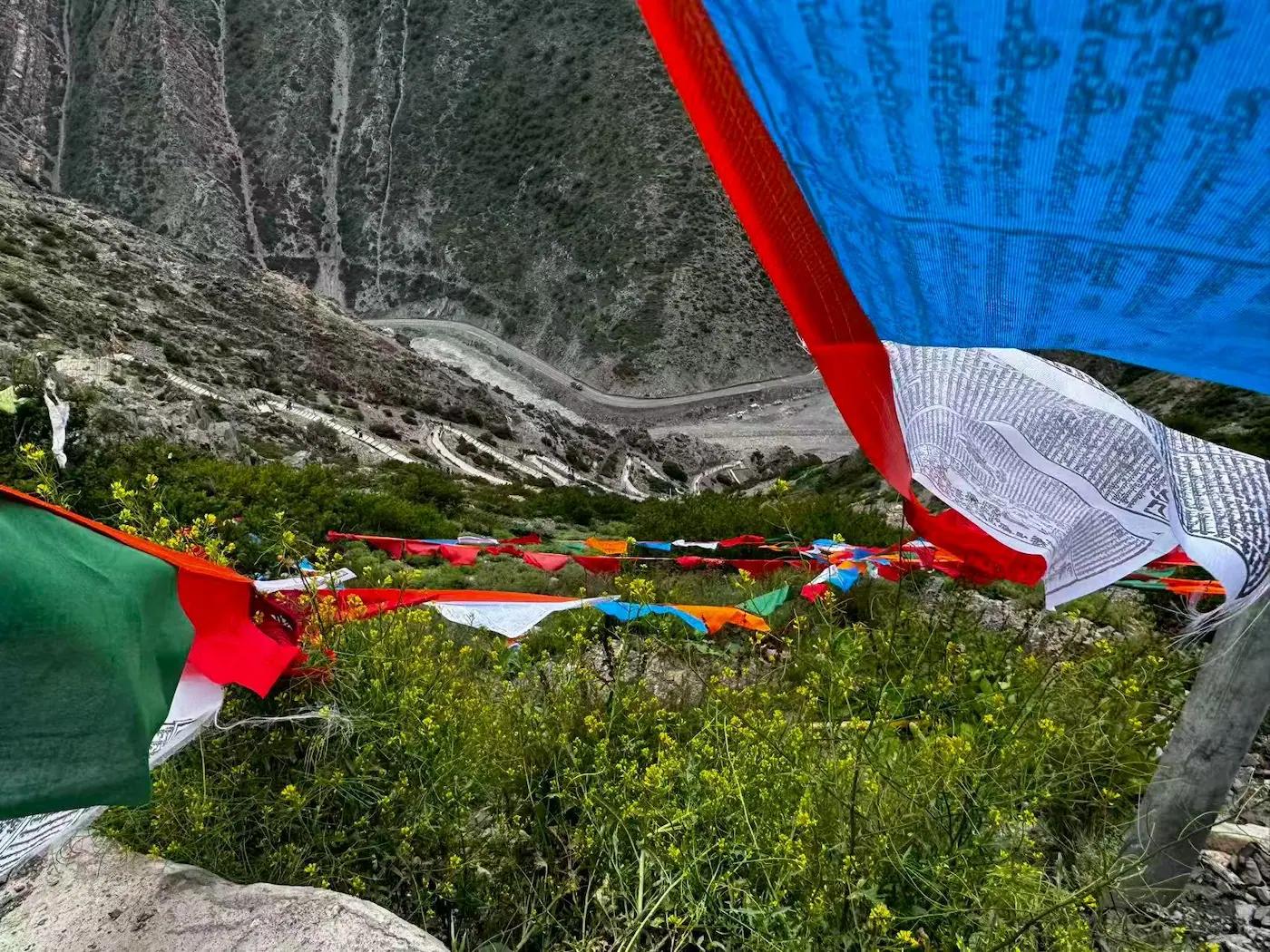
Welcome to one of Tibet's most enchanting traditions: the prayer flag. For Tibetans, they're like living prayers, guardians, and symbols of seeing the divine in every gust of wind.
Read more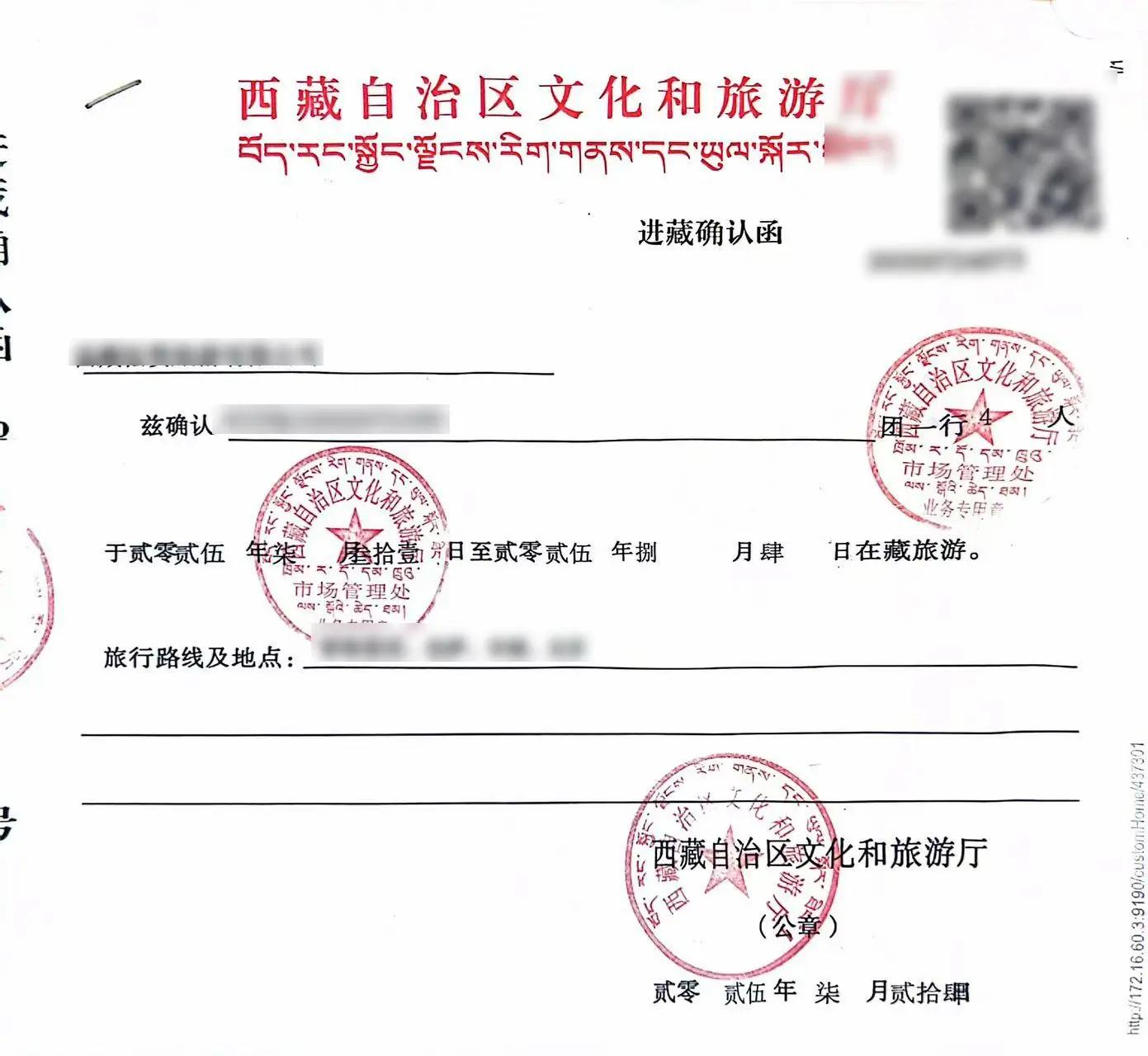
Complete guide to requirements, documents & application process for entering Tibet.
Read more